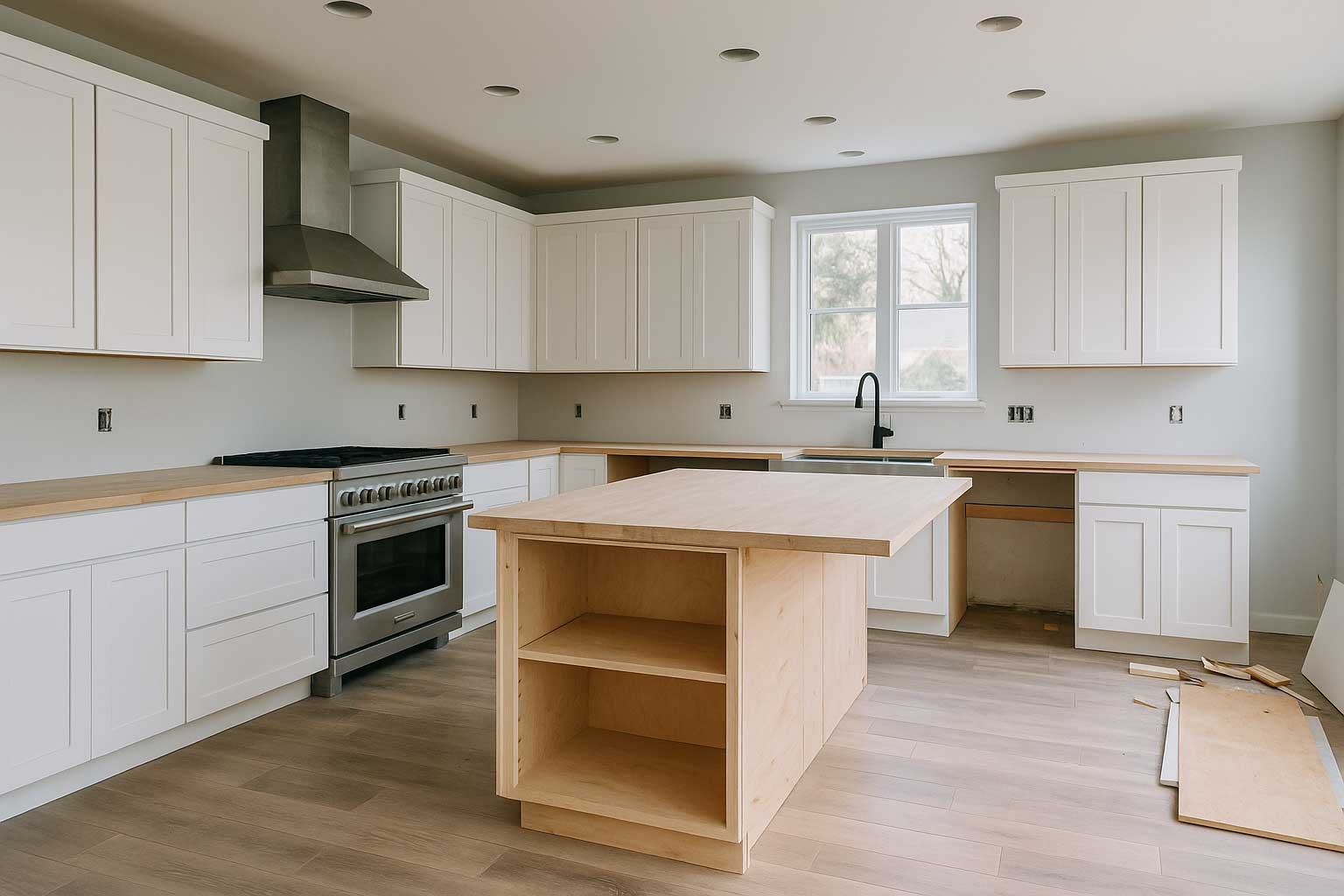
Buying a Remodeled Home? 8 Things to Watch Out for in a Flip

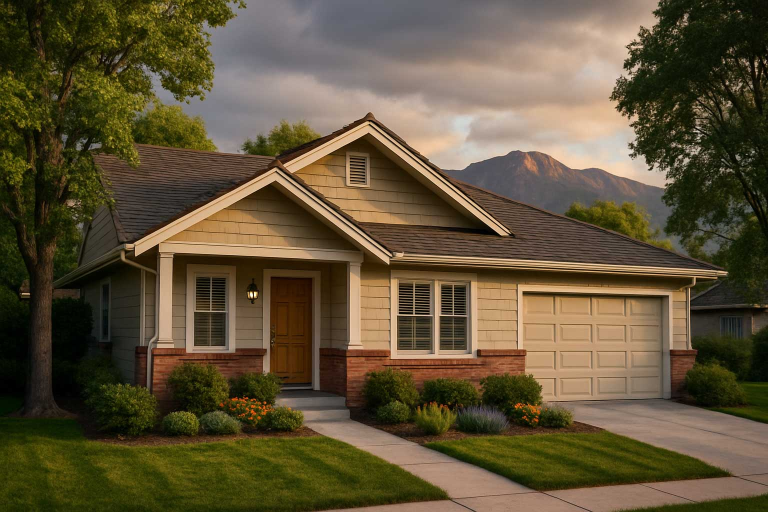
A freshly remodeled home can feel like a dream, new floors, modern finishes, stylish staging. But if it’s a flip, it’s worth taking a closer look.
Not all remodels are created equal. Some house flippers invest in high-quality renovations, while others cut corners to maximize profit. If you’re considering buying a flipped home, here are 8 things every smart buyer should check to avoid hidden headaches later.
🔧 1. Permits & Inspections
Why it matters: Structural changes, electrical work, plumbing, and HVAC upgrades typically require city permits. If the work was done without permits, you could face fines, or worse, unsafe living conditions.
What to do:
- Ask for a list of all permitted work.
- Have your agent or inspector verify with the local building department.
- Be wary if the home was bought and resold within a few months with major renovations.
🧱 2. Foundation & Structural Integrity
Why it matters: Flippers often focus on cosmetics, not core issues. Fresh paint and flooring can distract from foundation cracks, sagging floors, or damaged beams.
What to do:
- Look for uneven flooring, cracks along walls or ceilings, and doors that don’t close properly.
- Hire a licensed home inspector, and consider a structural engineer for peace of mind.
🚰 3. Plumbing
Why it matters: Plumbing updates are expensive and time-consuming, so flippers might leave old pipes in place and just swap out visible fixtures.
What to do:
- Check for water pressure issues or slow drains.
- Look under sinks for signs of leaks or makeshift repairs.
- Ask if supply lines and drain pipes were replaced, not just faucets.
⚡ 4. Electrical Work
Why it matters: Improper wiring is a common shortcut, and a fire hazard. New light fixtures don’t always mean the wiring behind them is safe.
What to do:
- Ask if the electrical system was updated or just “spruced up.”
- Watch for missing GFCI outlets in kitchens and bathrooms.
- Have the electrical panel evaluated during inspection.
🏠 5. Roof & Attic
Why it matters: Roof repairs can be costly. A new layer of shingles doesn’t mean the roof decking or structure underneath is sound.
What to do:
- Ask when the roof was last replaced, and whether it was a full replacement or just patching.
- Check for signs of water stains or leaks in the attic.
🌬️ 6. HVAC System
Why it matters: A home may look new, but if the heating and cooling systems are 20+ years old, that could be your next big expense.
What to do:
- Look at the age of the furnace and A/C units.
- Ask if the ductwork was cleaned or replaced.
- Turn on the system to test function, listen for unusual noises.
🪟 7. Windows & Insulation
Why it matters: Windows and insulation affect energy efficiency, noise, and comfort. Many flippers skip these because they’re costly and invisible at open houses.
What to do:
- Test windows for ease of opening/closing and seal tightness.
- Ask about insulation, was it updated, or left original?
🎨 8. Cosmetic Cover-Ups
Why it matters: Fresh paint, new flooring, and trendy finishes are nice, but sometimes used to hide deeper issues.
What to do:
- Be skeptical of homes where everything looks new, but big systems weren’t touched.
- Tap walls and look for hollow sounds or mismatched textures.
- Ask for a list of all improvements made and who did the work (licensed contractor or DIY?).
🛠️ Final Tip: Trust Your Inspector, and Your Gut
Always get a professional home inspection, and consider specialists (roofing, HVAC, sewer scope) if red flags appear. A good inspector can tell the difference between a quality remodel and a quick flip done for profit.
💬 Final Thoughts
A remodeled home can still be a great investment, but due diligence is key. Ask questions, verify permits, and don’t let the smell of fresh paint distract you from potential problems.
If you’re considering a remodel or flip, I can connect you with trusted inspectors and help you spot the difference between a truly updated home and one that just looks the part.