Flipping Houses in Los Angeles & Conejo Valley: What You Need to Know Before You Jump In

House flipping is one of the most exciting, and misunderstood, ways to invest in real estate. Done right, it can create life-changing profits and open doors to financial freedom. Done wrong, it can quickly become a money pit. If you’re considering flipping houses in Los Angeles or Conejo Valley, here’s what you need to know before you swing the hammer.
Why Flipping Works in Los Angeles & Conejo Valley 🌴📈
Southern California’s real estate market has always been a magnet for investors, and for good reason:
- High buyer demand. Families, professionals, and relocators are constantly searching for move-in-ready homes.
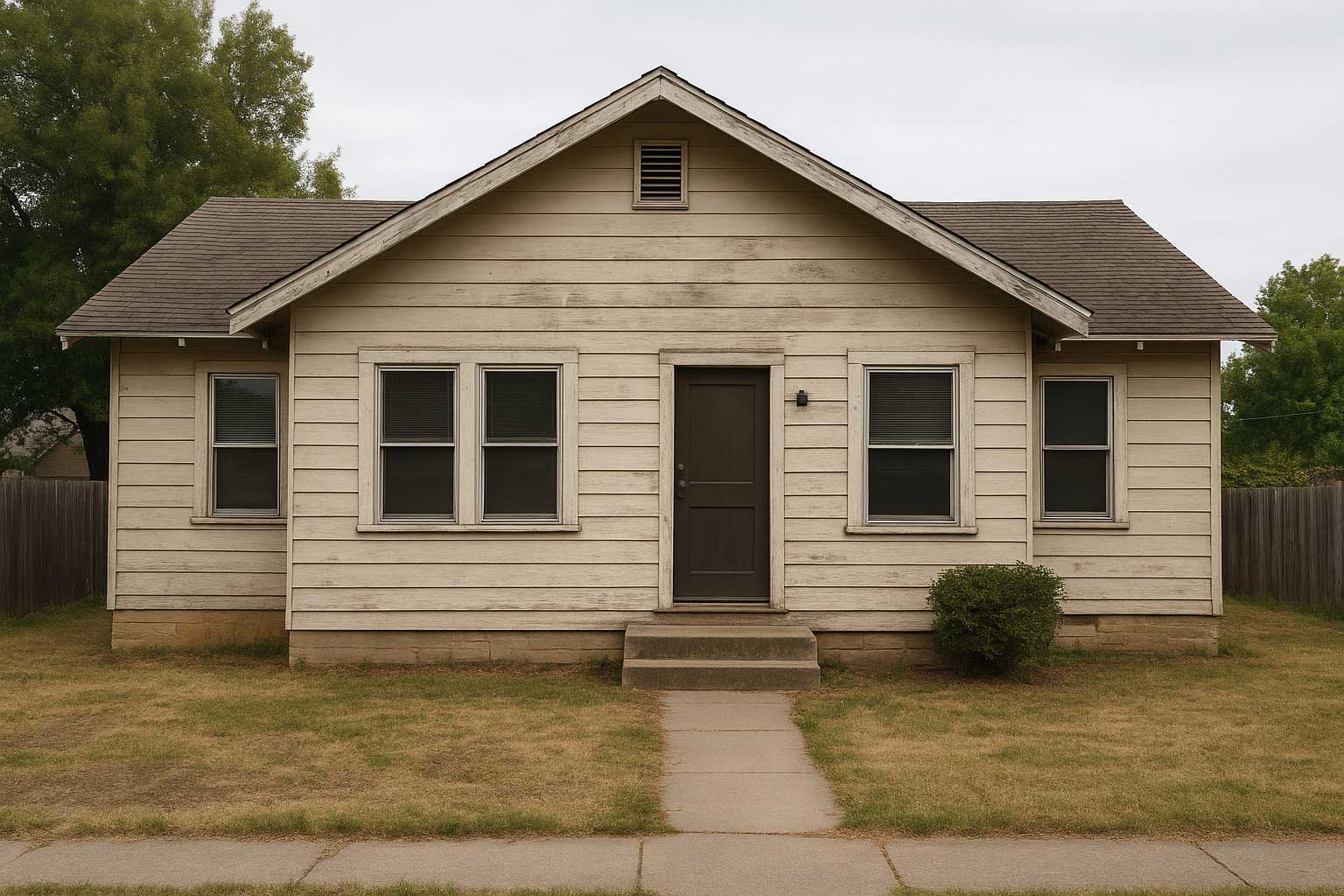
- Aging housing stock. Many homes in LA and Conejo Valley neighborhoods, from Agoura Hills to Woodland Hills to Thousand Oaks, are due for updates.
- Strong resale margins. Buyers will often pay a premium for stylish renovations and modern finishes.
When you combine high demand with outdated homes, you get opportunity. That’s why Los Angeles and Conejo Valley remain prime areas for house flipping.
What to Look for in a Good Flip 🔍✅
Not every house is created equal when it comes to flipping. The best flips tend to share a few qualities:
- Solid Location. A great neighborhood is non-negotiable.
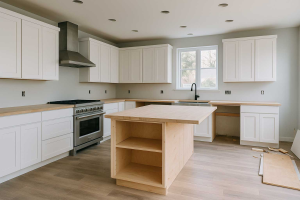
- Cosmetic Fixer-Uppers. Outdated kitchens, bathrooms, and flooring are opportunities. Structural issues? That’s a red flag.
- Single-Family Homes. Detached homes in desirable areas usually provide stronger returns.
- Room for Profit. At least a 20% margin after purchase, rehab, and closing costs.
Think of it this way: if you can add value with paint, fixtures, and layout improvements, you’re on the right track. If you need to add a new foundation, you’re buying yourself a headache.
Adding Value with ADUs and Garage Conversions 🏡➕
In markets like Los Angeles and Conejo Valley, one of the smartest strategies for flippers is looking for properties where you can add an Accessory Dwelling Unit (ADU) or convert an existing garage into livable space.
Why ADUs Work for Flippers
- Extra rental potential. Buyers love the option to rent out an ADU for passive income.
- Multi-generational living. Perfect for families who want a private space for parents, adult children, or guests.
- Competitive edge. A home with an ADU often stands out in a crowded market.
ADU-Friendly Flips
- Properties with detached garages or extra yard space are prime candidates.
- Homes in areas where ADU permits are easier to obtain (some LA neighborhoods and Ventura County cities have streamlined ADU processes).
- Entry- to mid-level neighborhoods where buyers value income potential.
Don’t Overbuild 🚫
While ADUs can boost resale value, the golden rule still applies: don’t price yourself out of the comps. If the top price in the neighborhood is $950,000, even a beautifully renovated flip with an ADU will have trouble selling at $1.2M.
👉 Smart flippers use tools like my REI SuperCalc to run both “with ADU” and “without ADU” scenarios, so they can see if the added time, cost, and permitting are truly worth it.
What Makes a Bad Property for Flipping 🚫🏚️
Some properties scream “run” the minute you walk through the door:
- Homes with foundation issues, mold, or fire damage.
- Properties in declining neighborhoods or areas with excessive inventory.
- Houses that would be overbuilt for the local market if you renovated them.
- The “HGTV trap”: assuming every upgrade equals profit.
In short: the wrong property can tie up your cash, time, and sanity.
What Do You Need to Start Flipping Houses? 📝🔑
A common question is: Do I need a license, degree, or certification to flip houses? The short answer: no, but some things help.
Do You Need a Real Estate License? 🏡
- Not required. Anyone can flip homes.
- Helpful but optional. A license gives you MLS access, saves commissions, and deepens market knowledge.
- Many successful flippers instead partner with an agent who understands flipping (like me).
Do You Need a Contractor’s License? 🛠️
- Not required if you hire licensed contractors.
- If you want to do plumbing, electrical, or structural work yourself, those trades require licenses.
- Most flippers succeed by building a network of reliable contractors, I can help with contractor referrals, too.
Do You Need a Business License? 📑
- Recommended. Many flippers set up LLCs for liability protection and tax benefits.
- Cities/counties may require a business license if you’re operating under a company name.
Do You Need a Degree or Certificate? 🎓
- Not required. No special education needed.
- Highly recommended: courses, mentorships, and tools like my REI SuperCalc to strengthen your knowledge.
Other Essentials to Get Started 🧰
- Capital or financing plan (cash, hard money, loan).
- Accurate deal analysis tool (like REI SuperCalc).
- Trusted contractors for bids and renovations.
- An agent who gets flipping.
How to Decide if a Property is Worth Flipping 🧮📊
Numbers don’t lie. Every successful flipper starts with math, not emotions:
- Run the ARV (After Repair Value).
- Estimate Repairs Realistically.
- Apply the 70% Rule. Never pay more than 70% of ARV minus repairs.
- Factor Holding Costs. Taxes, insurance, utilities, financing.
💡 This is where my REI SuperCalc comes in, it stress-tests your numbers before you buy.
Financing a House Flip: What You Need to Know 💵🏦
1. Cash Purchases 💰
- No interest, no red tape, but ties up capital.
2. Hard Money Loans ⚡
- Fast, flexible, higher interest, 20–25% down.
3. Conventional Loans 🏛️
- Stricter, slower, but better for lighter renovations.
4. HELOCs or Cash-Out Refinances 🏡
- Tap your own equity for funding.
5. Partnerships or Joint Ventures 🤝
- Combine your expertise with another’s capital.
6. Interest-Only Loans 📉
- Lower monthly payments and more cash for renovations.
- Risk: balance doesn’t decrease, so timing is critical.
- Best for short flips (6–12 months) if you’re disciplined.
How Much Should You Put Down? 📌💲
Most flippers put 20–25% down and finance the rest. Smart leverage creates flexibility without crushing holding costs.
Again, run these scenarios through REI SuperCalc to see how financing choices impact profit.
Practical Tips for Flipping in LA & Conejo Valley 🛠️🌇
- Work with local contractors. They know permits & pricing.
- Update what matters most. Kitchens, baths, curb appeal.
- Know your buyer. Families vs. urban professionals = different priorities.
- Stay on schedule. Every month you hold cuts profit.
How Long Does a Flip Usually Take? ⏳🗓️
Typical Renovation Timelines 🏗️
- Cosmetic: 4–6 weeks
- Moderate remodel: 2–4 months
- Full gut: 6–9 months
How Long Do Flippers Hold a Property? 📅
- Average: 4–8 months including renovations.
- Escrow in SoCal: ~30 days.
- Best practice: list within 90–120 days to protect profits.
Why This Matters ⚖️
Your profit isn’t just about the sale price, it’s about the timeline. Every extra month adds costs. REI SuperCalc lets you model holding periods to see their impact before you buy.
Common Mistakes First-Time Flippers Make ⚠️👷
- Underestimating costs.
- Designing for personal taste.
- Over-improving for the neighborhood.
- Skipping a profit cushion.
Final Thoughts 🔄🏡
Flipping isn’t about swinging a hammer, it’s about strategy, numbers, and knowing your market. In some cases, the right property might even offer the opportunity for an ADU or garage conversion, a smart way to boost resale value without overpricing yourself past neighborhood comps.
If you’re ready to explore house flipping in Los Angeles or Conejo Valley, don’t go it alone. Use tools like my REI SuperCalc to run the numbers and work with an agent who understands flipping inside and out.
👉 I’d love to help you find the right property, avoid costly mistakes, and guide you through both buying and selling your flips. And if you need contractors, I can connect you with trusted local professionals who specialize in flip-friendly renovations. Contact me today!