Should You Buy a Fixer-Upper? The Pros and Cons to Consider

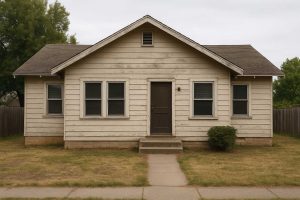
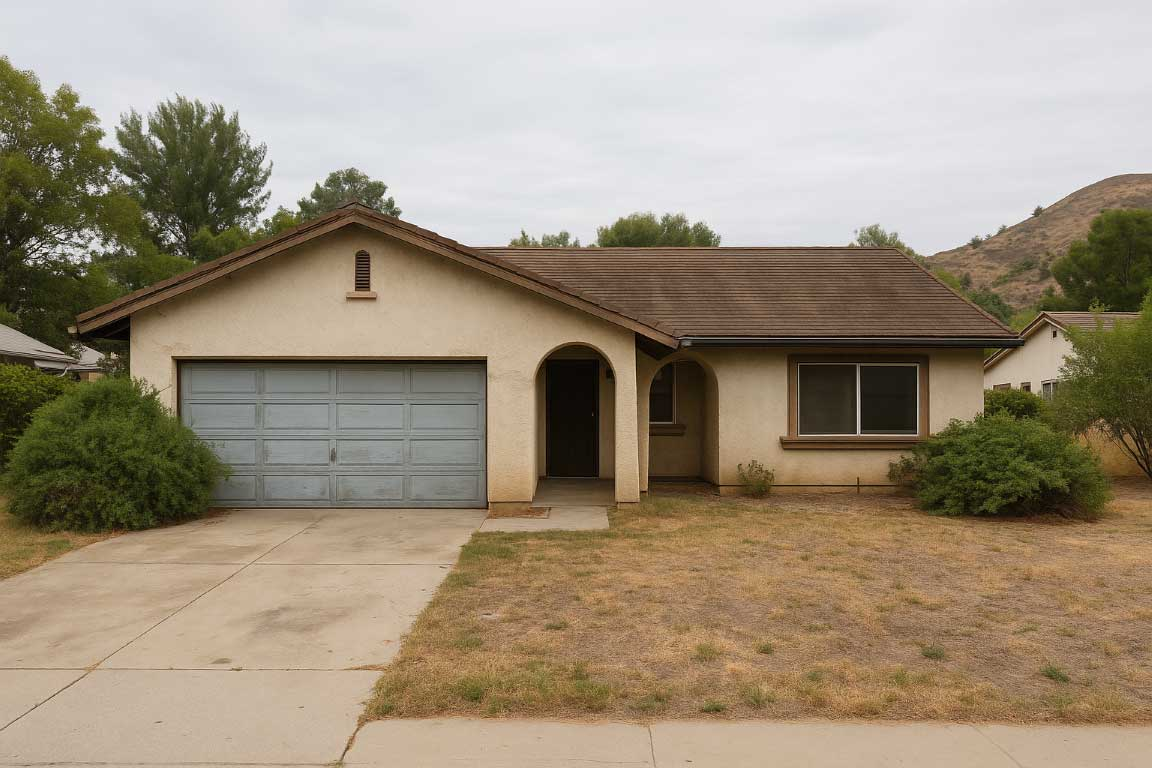
Buying a home is a big decision, and if you’re house hunting, you’ve probably seen listings for homes that need a little (or a lot of) work. A fixer-upper can be a smart way to get into a neighborhood you love or customize a house to truly fit your vision. But it’s not always the best fit for every buyer.
A home that needs work can be exciting and intimidating all at once. Some buyers love the idea of rolling up their sleeves and transforming a dated space into their dream home. Others might prefer the ease of moving right in, with no contractors or surprise repairs to worry about. Before you decide which path is right for you, it helps to weigh both sides carefully.
Here’s what you should know about the advantages, and the potential pitfalls, of buying a fixer-upper home.
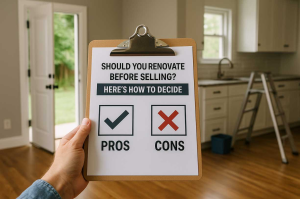
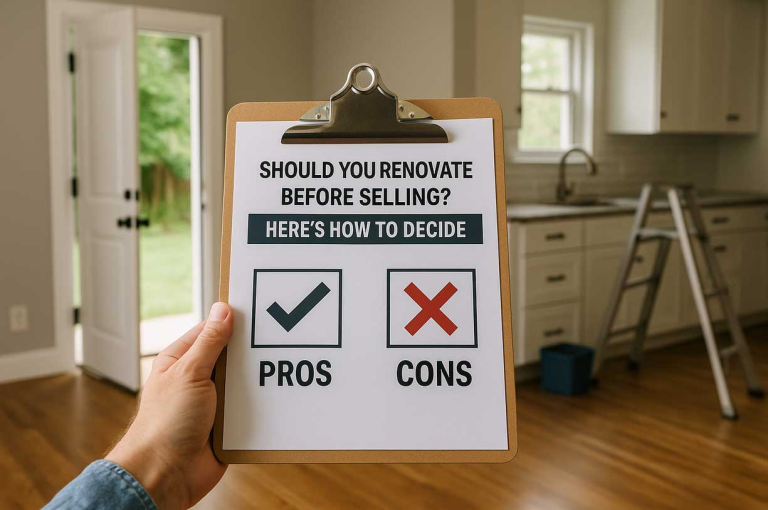
✅ Pros of Buying a Fixer-Upper
1. Lower Purchase Price
Fixer-uppers are usually priced below move-in-ready homes in the same neighborhood. This lower upfront cost can make it easier to buy into a desirable area or afford a larger home.
2. Customize to Your Taste
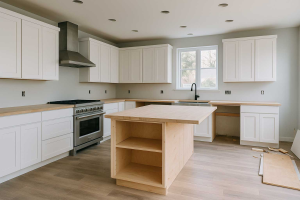
When you renovate, you’re in control. You can choose layouts, finishes, fixtures, and colors that match your personal style, instead of settling for someone else’s choices.
3. Build Equity Quickly
Renovations can increase a home’s value. If you buy wisely and make smart improvements, you can build equity faster than you might with a turnkey home.
4. Less Competition
Move-in-ready homes attract more buyers, so fixer-uppers often come with less bidding-war stress. You may have more negotiating power.
⚠️ Cons of Buying a Fixer-Upper
1. Renovation Costs Can Add Up
Renovating almost always costs more, and takes longer, than you expect. Hidden problems like electrical, plumbing, or structural issues can quickly inflate your budget.
2. Unexpected Surprises
Older homes or neglected properties can hide big issues: mold, foundation cracks, asbestos, or outdated wiring. Inspections help, but some surprises appear only once you start tearing things open.
3. Living in a Construction Zone
If you plan to live in the home during renovations, expect noise, dust, and inconvenience. For major work, you might even need temporary housing, another expense to plan for.
4. Financing Can Be Tricky
Not all lenders are eager to fund fixer-uppers. You might need a special renovation loan, which can have stricter requirements and extra paperwork.
🏡 Is a Fixer-Upper Right for You?
A fixer-upper can be a rewarding project, and a good investment, if you have the budget, patience, and vision to see it through. It’s not for everyone, but with the right planning (and the right team!), it could be the home you’ve been dreaming about.
Thinking about buying a fixer-upper? Let’s talk! I can help you find the right opportunity and connect you with trusted inspectors and contractors to make your vision a reality.