What Actually Happens During Escrow? 🤔📜

Buying a home is a major milestone, but once your offer is accepted, the real journey begins. That “in escrow” status you see on listings? It kicks off a whirlwind of legal, financial, and emotional steps that bridge the gap between offer and ownership.
If you’re buying or selling in Southern California, from the Conejo Valley to the San Fernando Valley, understanding what escrow actually means can help you avoid surprises and make informed, confident decisions.
What Does “Escrow” Mean? 🏦
The word escrow comes from the Old French word escroue, which means a “scrap of paper” or “scroll”, referring to a written deed that was held by a neutral third party during a transaction. Over time, the term evolved into the legal and financial context we use today.
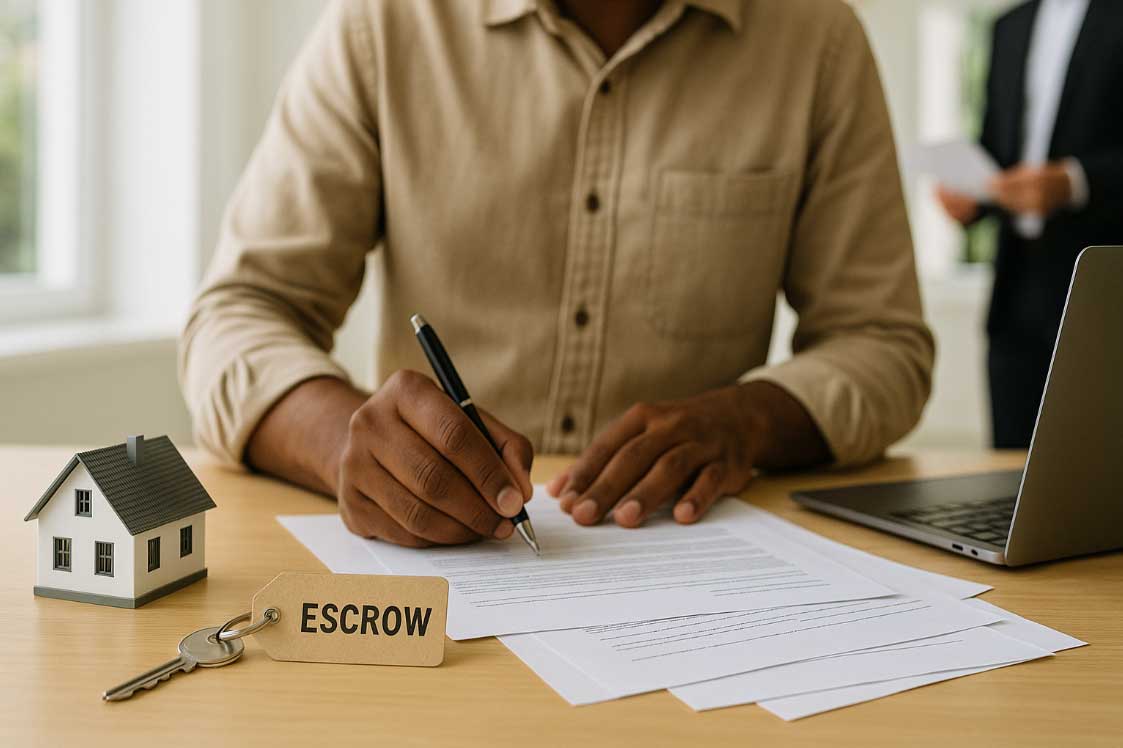
In modern real estate, escrow refers to a neutral third party, often an escrow company or attorney, who holds and manages funds and documents on behalf of the buyer and seller. Their role is to ensure that all the terms of the purchase agreement are met before the property officially changes hands.
Why Escrow Exists in Real Estate 🧾✅
Escrow protects both buyers and sellers by:
- Holding the buyer’s earnest money deposit securely
- Ensuring the seller has clear title to the property
- Confirming all disclosures and inspections are completed
- Coordinating with the lender, title company, and insurance
- Making sure property taxes, HOA dues, and liens are addressed
- Disbursing funds and recording the deed once everything is complete
It’s a safety mechanism that ensures no one gets the short end of the deal.
What Happens During Escrow? A Step-by-Step Guide 🛠️🔑
Once you’re officially in escrow, here’s what typically happens:
1️⃣ Earnest Money Deposit is Made
You’ll deposit a portion of the purchase price (usually 1–3%) into an escrow account. This shows the seller you’re serious.
2️⃣ Escrow Instructions Are Signed
Both parties review and sign detailed instructions that outline the conditions for closing.
3️⃣ Disclosures & Reports are Delivered
The seller provides mandatory California disclosures, including things like known property defects, natural hazards, and HOA rules.
4️⃣ Inspections Begin
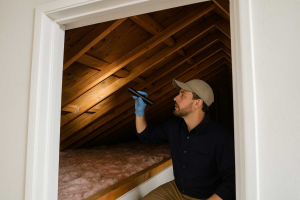
Buyers usually order a home inspection, and may add termite, roof, mold, foundation, or sewer line inspections depending on the home’s age and condition.
5️⃣ Appraisal is Ordered 🏠📉
If the buyer is using a loan, the lender orders an appraisal to ensure the home’s value supports the loan amount.
6️⃣ Title Search & Insurance
The escrow company or title company ensures the home’s title is clean, free of liens or ownership disputes, and arranges for title insurance.
7️⃣ Loan Underwriting & Approval 💼💳
The buyer’s lender collects financial documents and underwrites the loan. This can take several days to a couple of weeks.
8️⃣ Repair Requests & Negotiations
Based on the inspection, the buyer may request repairs or credits. The seller can agree, counter, or decline, it’s all negotiable.
9️⃣ Final Walkthrough 👟🏡
Typically done 1–2 days before closing, this ensures the property is in the agreed-upon condition.
🔟 Signing Documents & Funding
The buyer and seller sign all closing documents (often notarized), the lender funds the loan, and escrow prepares for recording.
The Final Step: Closing Day! 🎉📦
Once all conditions are met, escrow “closes” by recording the deed with the county, transferring ownership to the buyer. At this point:
- The seller receives their funds 💰
- The buyer receives the keys 🔑
- The deal is officially done ✅
How Long Does Escrow Take in California? ⏳
Typically 30 days, but it can be shorter (15 days for cash deals) or longer depending on loan approval timelines, inspections, or title issues.
Who Pays for Escrow in California? 💸
In Southern California, it’s customary for buyers and sellers to split escrow fees, but everything is negotiable and depends on the contract.
Bonus Tip: Escrow ≠ Escrow Account (For Mortgage)
Once you buy a home, your mortgage lender might also set up a monthly escrow account to cover property taxes and insurance, but that’s different from the real estate escrow process we just described.
Can a Deal Fall Out of Escrow? 🚫💼
Unfortunately, yes, not every deal makes it to the finish line. While being “in escrow” sounds secure, there are several common reasons a transaction might fall apart:
❌ 1. Financing Falls Through
Even pre-approved buyers can run into issues, changes in employment, credit problems, or appraisal shortfalls can all derail loan approval.
❌ 2. Appraisal Comes In Too Low
If the home appraises for less than the offer price, the lender won’t cover the full loan. The buyer may have to make up the difference, renegotiate, or walk away.
❌ 3. Inspection Reveals Major Problems 🔍
Buyers often back out if inspections reveal costly issues like foundation cracks, roof damage, mold, or plumbing failures, especially if the seller refuses to make repairs or offer credits.
❌ 4. Title Issues
Unexpected liens, ownership disputes, or boundary problems discovered during the title search can delay or derail closing if they can’t be resolved quickly.
❌ 5. Cold Feet or Personal Changes
Sometimes a buyer or seller simply has a change of heart. While pulling out without a valid contractual reason may lead to losing the deposit (for buyers) or legal exposure (for sellers), it still happens.
❌ 6. Missed Deadlines or Poor Communication 📅
Real estate moves fast, and missing contingency dates (for inspections, loan approval, etc.) can trigger contract cancellations. Miscommunication between agents, lenders, or escrow officers can also cause avoidable delays.
👉 Pro Tip:
Work with a responsive, experienced agent who will help you stay on top of timelines, negotiate fairly, and keep your deal on track. Escrow doesn’t have to be stressful, it just needs to be managed well.
Final Thoughts 💬
Escrow can feel like a mysterious black box, but once you understand what it actually involves, you’ll feel more confident navigating each step. Whether you’re a first-time buyer or moving up to your next home, knowing what to expect helps you stay calm and in control.
Thinking of buying or selling in Conejo Valley or San Fernando Valley?
📞 Let’s connect, I’ll help you move through escrow with confidence, clarity, and care.
📌 Legal & Compliance Disclaimer:
This blog post is for informational purposes only and is not legal or financial advice. Always consult your licensed real estate agent, escrow officer, or attorney regarding your specific transaction. I am a licensed California Realtor® and member of the RISE Ventura Valley real estate team. Let’s talk!