What to Expect at Your Home Inspection in the San Fernando & Conejo Valleys

If you’re buying a home in Southern California, whether in the San Fernando Valley or the Conejo Valley, a professional home inspection is one of the smartest steps you can take. As your agent, I’m here to guide you through every part of the process, including being there at the inspection to make sure you understand exactly what you’re buying.
A thorough home inspection doesn’t just protect your investment, it gives us a clear, detailed snapshot of your future home’s condition. It helps uncover hidden issues that could cost thousands to fix later, lets us negotiate with the seller using facts, not assumptions, and gives you peace of mind knowing your home is safe and sound. If you’re exploring neighborhoods like Northridge, Sherman Oaks, Woodland Hills, Encino, Van Nuys, or Thousand Oaks, Westlake Village, Agoura Hills, Newbury Park, or Moorpark, this guide is for you.
🛠️ What a Home Inspection Covers
Home inspectors in California follow strict Standards of Practice, checking both safety and functionality. Here’s what we can expect the inspector to look at:
- Structural elements – Foundation, framing, visible support beams, and crawlspaces. They check for cracks, settling, or signs of water intrusion.
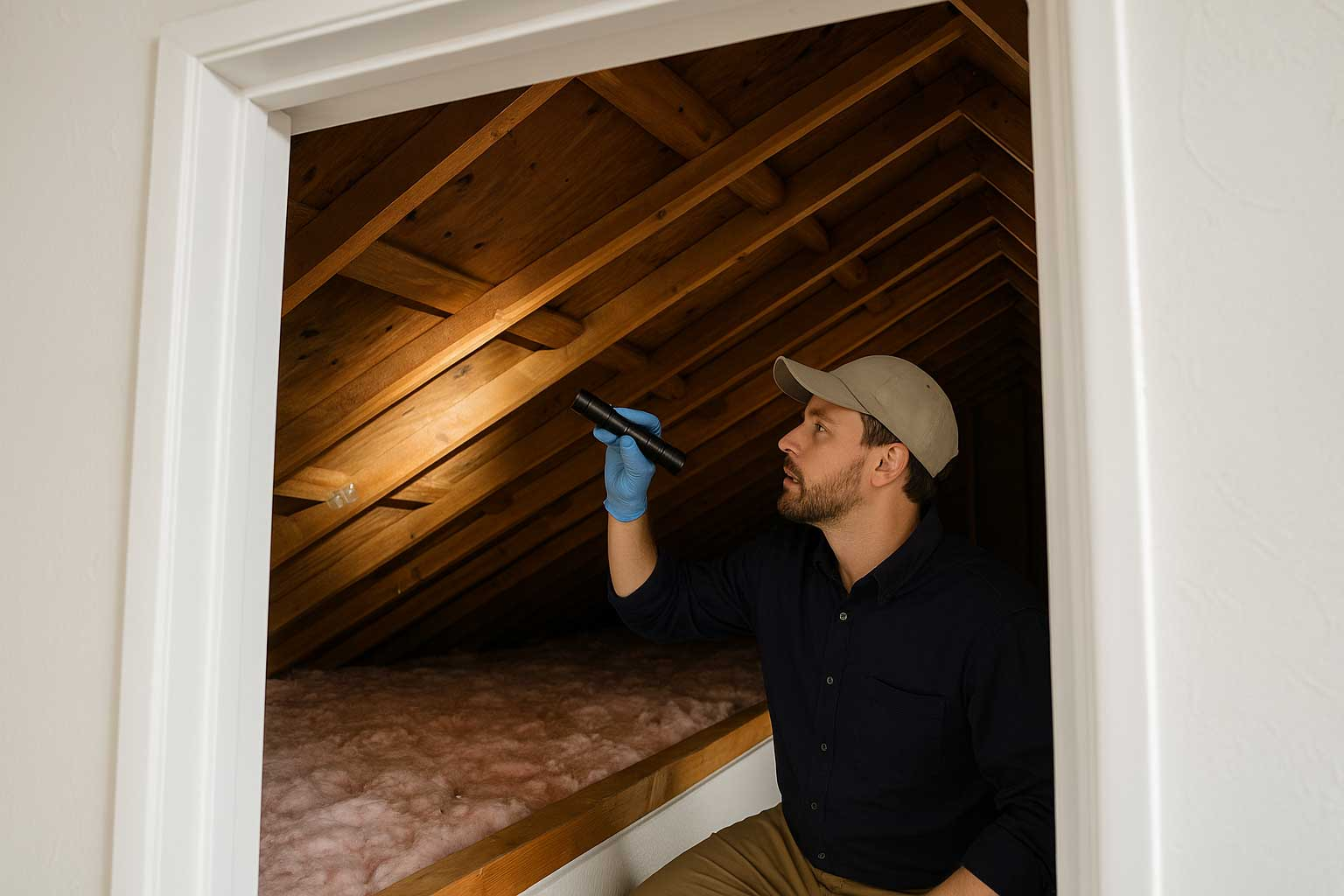
- Roof & attic – Roof condition, flashing, soffit, ventilation, insulation, and any signs of leaks or pest activity.
- Exterior – Stucco, siding, masonry, grading, gutters, decks, fences, and driveways.
- Plumbing – Supply and drain lines, water heaters, toilets, faucets. Older Valley homes may have galvanized pipes, which can be an issue.
- Electrical – Main panel, circuit breakers, outlets, switches, GFCI protection. Outdated wiring or panels are common in older homes.
- HVAC – Furnace and AC age and operation, ductwork, thermostat. Staying cool is critical in our warm inland valleys.
- Interior – Walls, ceilings, windows, doors, stairs, checking for signs of moisture, mold, or structural damage.
- Built-in appliances & safety – Ovens, dishwashers, disposal units, plus smoke & CO alarms, handrails, and fire separation if needed.
🗓️ How I’ll Help You Prepare
Before inspection day, I’ll make sure we’re fully prepared:
- I’ll be there: Rest assured I’ll be on site, walking through everything with the inspector, asking questions, and taking notes.
- Access & utilities: I’ll confirm with the seller’s agent that all utilities are on and that the attic, garage, and crawlspace are accessible.
- Known concerns: If you’ve noticed anything, signs of leaks, pest issues, or damage, I’ll share this with the inspector in advance so we don’t miss anything.
🕵️♂️ What Happens During the Inspection
A typical inspection takes 2–4 hours, depending on the home’s size and age. I’ll join the inspector as they work systematically:
- They start outside, checking the roof, grading, gutters, exterior walls.
- Inside, they’ll inspect the plumbing, HVAC, electrical, attic, basement, or crawlspace.
- They’ll document defects, safety hazards, and maintenance issues, classifying each item clearly as safety, major, or minor.
Modern inspectors use tools like moisture meters, circuit testers, and thermal cameras, and they take plenty of photos for reference.
📝 Reviewing the Report, Together
After the inspection, you’ll get a detailed written report, usually within 24–48 hours, with photos and clear notes on:
- Major structural or safety issues
- Hidden damage or leaks
- Maintenance suggestions
- Items to watch for future upkeep
Once we have the report, I’ll sit down with you to go through everything line by line. We’ll break down what’s urgent, what’s negotiable, and what’s normal wear and tear. If we find major defects or safety hazards, I’ll help you negotiate repairs or credits, or, if needed, bring in specialists for further evaluation.
📍What to Watch for in Our Local Areas
- San Fernando Valley (e.g., Sherman Oaks, Northridge, Van Nuys): Many homes were built in the mid-20th century, so plumbing corrosion, older roofs, and chimney wear are common.
- Conejo Valley (e.g., Thousand Oaks, Agoura Hills, Westlake Village, Oak Park): Many homes sit on hillsides, so drainage, retaining walls, and seismic bracing deserve extra attention.
✅ Final Thoughts for a Smooth Inspection
- We’ll set expectations: Remember, inspectors don’t enforce code, they assess the home’s visible condition and flag red flags.
- Plan ahead: I’ll help you budget for any repairs, updates, or maintenance the report recommends.
- Stay informed: My job is to make sure you feel comfortable with every detail, so you can move forward with confidence.
👋Ready to Inspect?
A home inspection is your chance to truly know the home you’re buying. And I’ll be right there with you, from scheduling the inspection to reviewing the report and negotiating smartly on your behalf.
If you’re thinking about buying in the San Fernando Valley or Conejo Valley, reach out, I’d love to help you every step of the way.